
Buying scrubs that fit well saves time, reduces discomfort, and improves safety during long shifts. This practical guide explains how scrub sizes work, how to take measurements, and how to choose the right fit for the top, bottom, and outerwear.
Whether you shop for a single set or outfit a whole team, understanding measurements and fabric behavior helps you make confident choices across Medical Scrubs and related uniform pieces.
Why correct fit matters
A well-fitting scrub improves mobility, prevents wardrobe adjustments during patient care, and extends garment life. Poor fit can cause chafing, snagging on equipment, and a worn appearance. Compare common cuts and check sizing trends on the shop’s Best Sellers to see what sizes other buyers choose.
Key measurements to know
Before ordering, record these core measurements while wearing close-fitting undergarments:
- Chest/Bust: Measure around the fullest point, keeping tape level.
- Waist: Natural waist at the smallest point; for drawstring pants, a looser measurement is fine.
- Hips: Around the fullest part of the hips and buttocks.
- Inseam: Measure from crotch to ankle for pant length (or check listed inseam ranges).
- Torso length: From shoulder at neck to desired hem (important for one-piece or tunic styles).
- Sleeve length: From shoulder seam to wrist for long-sleeve options.
How to take accurate measurements
Use a soft measuring tape, stand relaxed, and take measurements in front of a mirror or with a helper. Repeat each measurement twice. If you fall between sizes, consider the fabric and fit description—stretch fabrics allow more give. For pants, check specific product sizing such as stretch-friendly bottoms like the XS-2XL 6 Colors Stretch Edge Nurse Uniform Bottoms, which list waist and hip ranges and are designed to accommodate size variability.
Choosing top vs bottom sizing
Tops and bottoms often use different cuts and therefore different size priorities. For tops, prioritize chest/bust and shoulder width; for jogger-style or drawstring bottoms, waist and hip measurements plus rise are key. If you wear underscrubs or need extra mobility, size the top slightly larger or choose a relaxed fit. For items like lab coats, which require additional layering space, consult the Lab Coats category to compare lengths and cuts suited for layering.
Fabric, stretch, and fit types
Fabric composition dramatically affects fit. Blends with spandex or elastane provide stretch and recovery—ideal for active roles. Polyester blends resist wrinkles but may feel less breathable. When a product description mentions “stretch” or “performance,” you can generally size closer to your measurements. Non-stretch, tailored or slim-fit pieces need a more precise match to avoid tightness across shoulders or hips.
Common fit problems and quick fixes
Problems and practical fixes:
- Top rides up: Choose longer torso lengths or one size up.
- Pants gap at the back: Consider a higher rise or adjustable waistband; elastic-backed options provide more comfort.
- Tight shoulders: Switch to a relaxed or unisex cut.
- Pant length too long: Hem or choose cropped/jogger styles.
- Poor shoe clearance or posture issues affecting fit: evaluate footwear—proper support matters. Browse the Medical Footwear category for stable, work-appropriate options that complement your uniform fit.
What to test when trying scrubs on
When you try scrubs, perform a few movement checks: bend at the waist, lift arms overhead, squat, and reach into pockets. Check pocket placement and capacity for tools, pens, and phone—if organization matters on-shift, inspect models in the Bags & Organization section for complementary solutions like badge holders and utility pouches that integrate with scrub pockets.
Buying online: sizing tips and shipping
Read each product’s size chart carefully—brands and cuts vary. Keep a note of your measurements and compare them to the provided table rather than assuming consistent sizes. If close-fitting fabric is used, consider sizing up for comfort. Check shipping policies when ordering multiple sizes to try—fast delivery makes exchanges simpler. The store offers Fast U.S. Shipping options to reduce turnaround time when you need replacements or alternate sizes quickly.
Checklist: Quick sizing review before you buy
- Measure chest, waist, hips, inseam, and torso length.
- Compare your measurements to the product size chart, not generic labels.
- Note fabric content—stretch vs. woven—and allow or subtract for stretch.
- Consider how you layer (lab coat or undershirt) and choose accordingly.
- Test movement: bend, reach, squat when trying on.
- Inspect pocket placement and capacity for essentials.
- Confirm return and shipping windows for size exchanges.
FAQ
Q: What if I’m between two sizes?
A: If the fabric has stretch, choose the smaller size for a neater look. For non-stretch or tailored pieces, pick the larger size for comfort and layering space.
Q: How should scrub pants fit around the waist?
A: Scrub pants should sit comfortably without digging in. For drawstring or elastic waists, secure at a natural position; if you prefer a smoother front, consider pants with internal elastic or adjustable tabs.
Q: Can I rely on one brand’s sizing across all items?
A: No—sizes vary by brand and cut. Always check the product-specific size chart and, when possible, read customer notes on fit for that item.
Q: How long should scrubs be?
A: Length depends on role and personal preference. Tops that hit mid-hip provide coverage for most movements; longer tunics offer more coverage for bending and lifting.
Q: Are unisex scrubs sized differently?
A: Unisex sizing tends to be more generous in shoulder width and chest. Women may need to size down for a closer fit or choose a women-specific cut for a tailored silhouette.
Q: What accessories help improve fit and utility?
A: Accessories like badge reels, belt clips, and utility organizers keep tools accessible and reduce pocket bulk. See the Medical Accessories selection for practical add-ons.
Conclusion
Good fit is measurable: take accurate measurements, consider fabric and cut, and test movement. Use size charts and fast shipping options to trial sizes when needed, and add targeted accessories or footwear to fine-tune comfort and safety. With these steps you’ll find scrubs that move with you and last through many shifts.
Products Featured in This Article
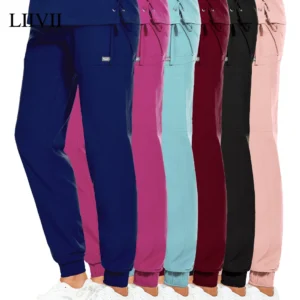
XS-2XL 6 Colors Stretch Edge Nurse Uniform Bottoms Medical Scrubs Pants Casual Doctor Dental Clinic Work Trousers Nursing Pants
XS-2XL 6-color stretch nurse scrubs pants, breathable 72% polyester 22% rayon 6% spandex, elastic waist, zip…